
How Mobile Manipulation Is Changing UGV (Unmanned Ground Vehicle) Operations
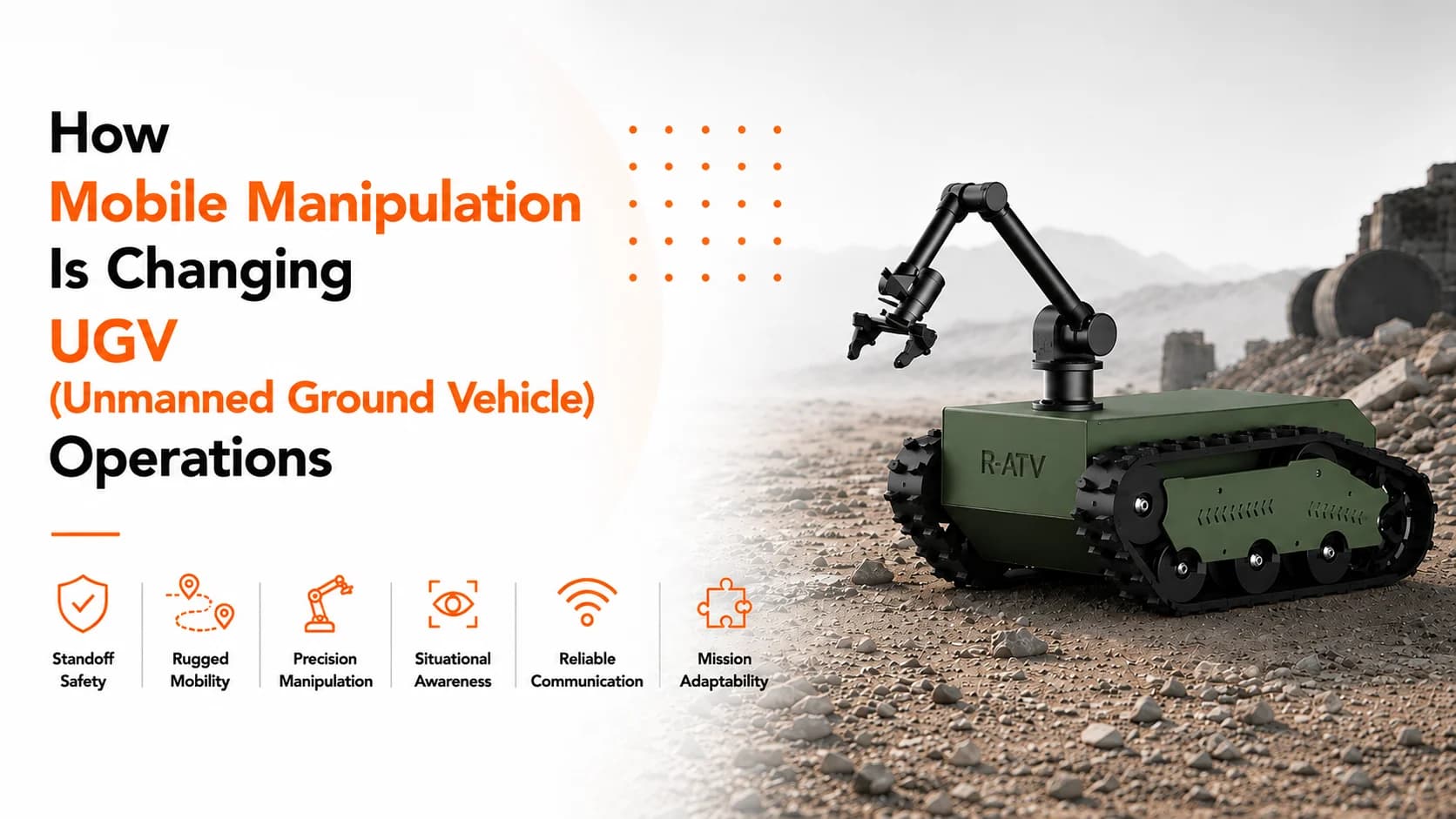
A look at how the R-ATV Mobile Manipulator combines all-terrain mobility, a 6-DoF arm, dual-camera vision, and teleoperation to turn unmanned ground vehicles into true remote intervention systems.
On this page
- The vehicle becomes part of the manipulation system
- How much of the manipulator's workspace is actually usable?
- Which specifications become non-negotiable once the robot leaves controlled environments?
- What does the operator need to see when the robot is doing the work?
- Teleoperation changes how the robot should move
- What happens when the same platform moves between applications?
- India's UGV ecosystem is still at an early stage
UGVs, or Unmanned Ground Vehicles, are most often deployed in environments that are dangerous, difficult, or inefficient for people to access. This includes disaster zones, industrial facilities, defense environments, mines, warehouses, power plants, and other areas where sending a person may involve unnecessary risk or cost. For this reason, reconnaissance, surveillance, and remote inspection have traditionally been the most common use cases.
But access is only the first step. A UGV that can enter a hazardous or remote environment is useful; a UGV that can inspect, manipulate, carry, collect, repair, or interact with its surroundings is far more valuable. The next evolution of UGVs is not just mobility, but capability platforms that do more than observe and report, and instead perform meaningful work once they arrive.
This is where the architecture of an R-ATV becomes relevant. Rather than treating manipulation as something added after the vehicle has reached its destination, the mobility platform and the robotic arm are designed to operate together. The result is a system that can move through the environment, position itself around a task and perform a physical intervention without requiring the operator to enter the same space.
R-ATV Mobile Manipulator brings this approach into a single platform, combining tracked all-terrain mobility with a 6-DoF manipulator, dual-camera vision and encrypted wireless communication. Each capability addresses a different part of the intervention, but their value comes from operating together: mobility gets the system into position, manipulation provides the reach, while vision and communication allow the operator to understand and control what happens next.
The vehicle becomes part of the manipulation system
A manipulator mounted on a mobile platform changes the role of the vehicle itself. Its final position determines the starting geometry of the arm, which affects reach, approach angle, camera perspective and stability during manipulation.
This relationship is relatively easy to manage inside a manufacturing cell. Fixtures establish the position of the workpiece, tooling defines the contact points and the robot begins each cycle from a known location. A field robot rarely gets those conditions.
The target may be positioned against another structure, the available approach path may be restricted or the surface beneath the vehicle may influence how precisely the arm can be positioned. Mobility therefore becomes part of the manipulation problem, with tracked locomotion, turning radius, ground contact and platform stability influencing what the manipulator can ultimately do.
The base is not simply carrying the arm. It is establishing the conditions under which the arm can work.
How much of the manipulator's workspace is actually usable?
A manipulator's reach is one of the easiest specifications to compare and one of the least useful when considered in isolation.
A 1,300 mm reach describes the distance available within the arm's kinematic envelope, but it does not describe how much of that envelope remains practical when the target has to be approached from a particular direction. Six degrees of freedom become valuable when the end-effector needs to change orientation as the geometry around the target changes.
An object beneath a vehicle, a recessed component behind piping or an item positioned against uneven ground may all sit within nominal reach while requiring very different approaches. Otherwise, the vehicle has to keep repositioning itself until the arm finds a workable geometry, adding another layer of movement to an intervention where the operator may already be managing terrain, visibility and communication.
The distinction is therefore between reach and usable workspace. A longer arm is not necessarily more capable if the surrounding environment prevents that reach from being exploited.
Which specifications become non-negotiable once the robot leaves controlled environments?
Once a robot moves outside a structured workcell, some specifications stop being points of comparison and become requirements for the mission itself.
A platform expected to cross mixed terrain needs sufficient traction and incline capability. A remote intervention system needs enough communication range for the operator to remain outside the hazard zone while maintaining control. The manipulator needs sufficient payload and reach for the tooling and objects it is expected to handle, while the vision system needs enough coverage for the operator to understand both the surrounding environment and the manipulation area.
The important part is how these specifications interact.
A communication system with substantial range does not solve much if the operator loses useful visual information before reaching the edge of that range. A capable manipulator becomes less useful if the vehicle cannot establish a suitable position around the target. A highly mobile platform can still be constrained by an arm that cannot reach or orient itself around the object.
This is why isolated headline specifications can obscure the actual operating envelope of a UGV.
The R-ATV Mobile Manipulator brings these requirements together with 30° incline capability, 450 m line-of-sight and 90 m non-line-of-sight wireless operation, a 1,300 mm 6-DoF manipulator and dual-camera vision.
What does the operator need to see when the robot is doing the work?
Remote driving and remote manipulation place different demands on perception.
During navigation, the operator needs enough of the surrounding environment to understand the vehicle's position and choose a path. Once the manipulator begins working, the useful visual context moves closer to the end-effector and target while some awareness of the surrounding environment still needs to be retained.
A single camera view creates a compromise between context and precision. A wider view helps establish situational awareness, while a closer view becomes more useful when judging alignment, contact and object movement.
This becomes especially important when the operator has no tactile feedback. The visual interface effectively becomes the operator's connection to the physical workspace.
Field applications also rarely offer the consistency of a fixture-fed production line. Object geometry can vary, surfaces can be obstructed and the operator may have to make decisions based on what the cameras reveal in real time.
R-ATV uses dual cameras with 127° and 87° fields of view alongside an adaptive V-jaw gripper, providing separate visual perspectives while allowing the end-effector to accommodate different object geometries.
Teleoperation changes how the robot should move
The control problem becomes more nuanced when the operator is separated from the robot by distance.
The operator observes the video feed, interprets the target and sends a movement command through the communication system. The robot responds and that movement becomes the next piece of information available to the operator. Even with low latency, this loop rewards predictable motion during precision tasks.
That makes maximum manipulator speed a less useful metric in some remote applications. During delicate handling, the operator needs enough control authority to make small corrections without the arm moving faster than the visual feedback can be interpreted.
The R-ATV's manipulator operates at 0.3 rad/s per joint, combined with encrypted low-latency wireless communication. Its control station also brings mobility, manipulator controls and camera feeds into one operating interface.
The broader principle applies across teleoperated robotics: the quality of the control loop depends on the relationship between movement, perception and communication rather than on any one of them independently.
What happens when the same platform moves between applications?
The requirements placed on a UGV change considerably between applications, even when the underlying robotic architecture remains similar.
An EOD deployment may demand precise manipulation around an uncertain object. Industrial safety can involve interaction with existing machinery or infrastructure. Disaster response can place greater emphasis on terrain and changing access routes. Hazardous environments may require additional sensing or specialised tooling while keeping personnel at a safe distance.
The challenge is accommodating these differences without turning every deployment into an entirely new robotic development programme.
This is where the architecture surrounding the core platform starts to matter. Interchangeable end-effectors, flexible mounting, additional sensors and software interfaces allow the same mobility and manipulation foundation to support different operational requirements.
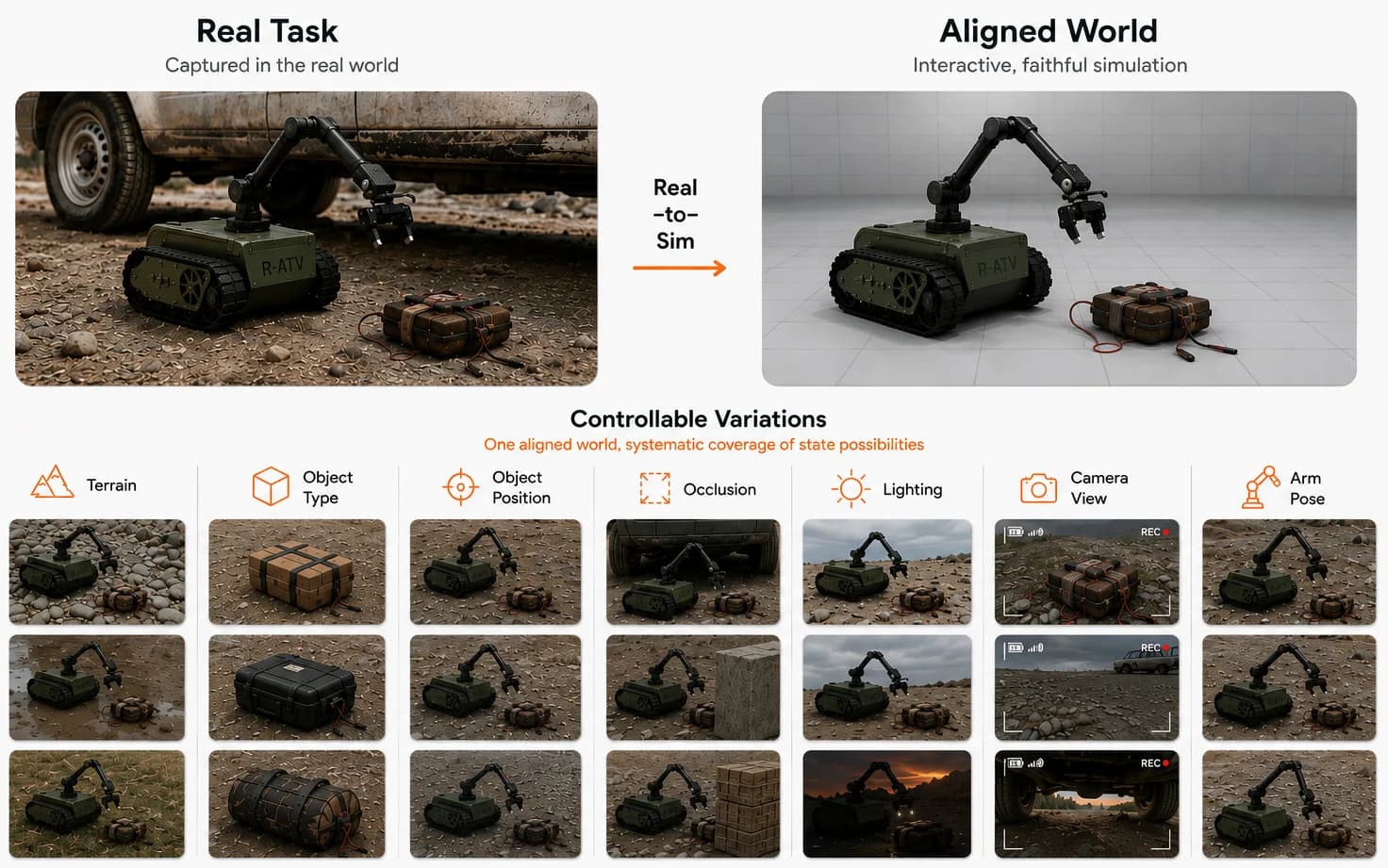
RATV Mobile Manipulator supports this through interchangeable end-effectors, flexible mounting, teach-pendant programming, SDK-based development and ROS integration.
The underlying platform can remain consistent while the application layer changes around it.
India's UGV ecosystem is still at an early stage
India already has considerable depth in robotics, industrial automation, embedded systems, defence electronics and manufacturing. UGV adoption remains relatively early compared with several of these adjacent areas, leaving room for both indigenous platforms and the engineering ecosystem around them to develop.
The requirements will vary across Indian industrial operators, EOD and BDDS units, disaster-response organisations and defence applications. A platform that can accommodate those differences has a wider role than one designed around a single deployment.
This is where domestic engineering becomes important. Application-specific tooling, sensing, software and control interfaces can be developed around a locally engineered platform without requiring the underlying vehicle to be redesigned for every deployment.
We designed, engineered and manufactured R-ATV Mobile Manipulator (P4-R1300-6D) in Bengaluru, with its major subsystems developed in-house and support for application-specific customisation, servicing and spare-parts availability within India.
India's opportunity therefore extends beyond manufacturing the UGV itself. It lies in developing the engineering capability around these platforms and turning a common robotic foundation into systems suited to very different environments.
Frequently Asked Questions
What does UGV stand for?
UGV stands for Unmanned Ground Vehicle — a remotely operated or autonomous vehicle that operates on land without an onboard human operator.
What is an unmanned ground vehicle (UGV)?
An unmanned ground vehicle (UGV) is a ground-based robotic platform that moves and operates without a person on board, controlled remotely by an operator or through autonomous systems. UGVs are used to access environments that are dangerous, difficult, or inefficient for people to enter.
What's the difference between a UGV and a UAV?
A UGV (Unmanned Ground Vehicle) operates on land, while a UAV (Unmanned Aerial Vehicle) operates in the air. Both are remotely operated or autonomous, but UGVs are built for terrain mobility and, increasingly, physical interaction with the environment — such as the R-ATV's manipulation capability — while UAVs are built for flight, surveillance, and aerial coverage.
What are UGVs used for?
UGVs are used for reconnaissance, surveillance, and remote inspection in hazardous or hard-to-access environments — including disaster zones, industrial facilities, defence operations, mines, warehouses, and power plants. Platforms like the R-ATV Mobile Manipulator extend this further into EOD operations, industrial safety interventions, and disaster response, where the UGV needs to inspect, manipulate, carry, or interact with its surroundings rather than just observe and report.
Who manufactures UGVs in India?
Integra Robotics designs, engineers, and manufactures unmanned ground vehicles in India. The R-ATV Mobile Manipulator (P4-R1300-6D) is built in Bengaluru, with its major subsystems developed in-house and support for application-specific customisation, servicing, and spare-parts availability within India.
How much does a UGV cost?
UGV pricing depends on the payload, manipulator configuration, sensing, and application-specific customisation required for your deployment. Contact Integra Robotics to discuss your requirements and request a quote for the R-ATV Mobile Manipulator.
On this page
- The vehicle becomes part of the manipulation system
- How much of the manipulator's workspace is actually usable?
- Which specifications become non-negotiable once the robot leaves controlled environments?
- What does the operator need to see when the robot is doing the work?
- Teleoperation changes how the robot should move
- What happens when the same platform moves between applications?
- India's UGV ecosystem is still at an early stage
Article Information
P3-R600
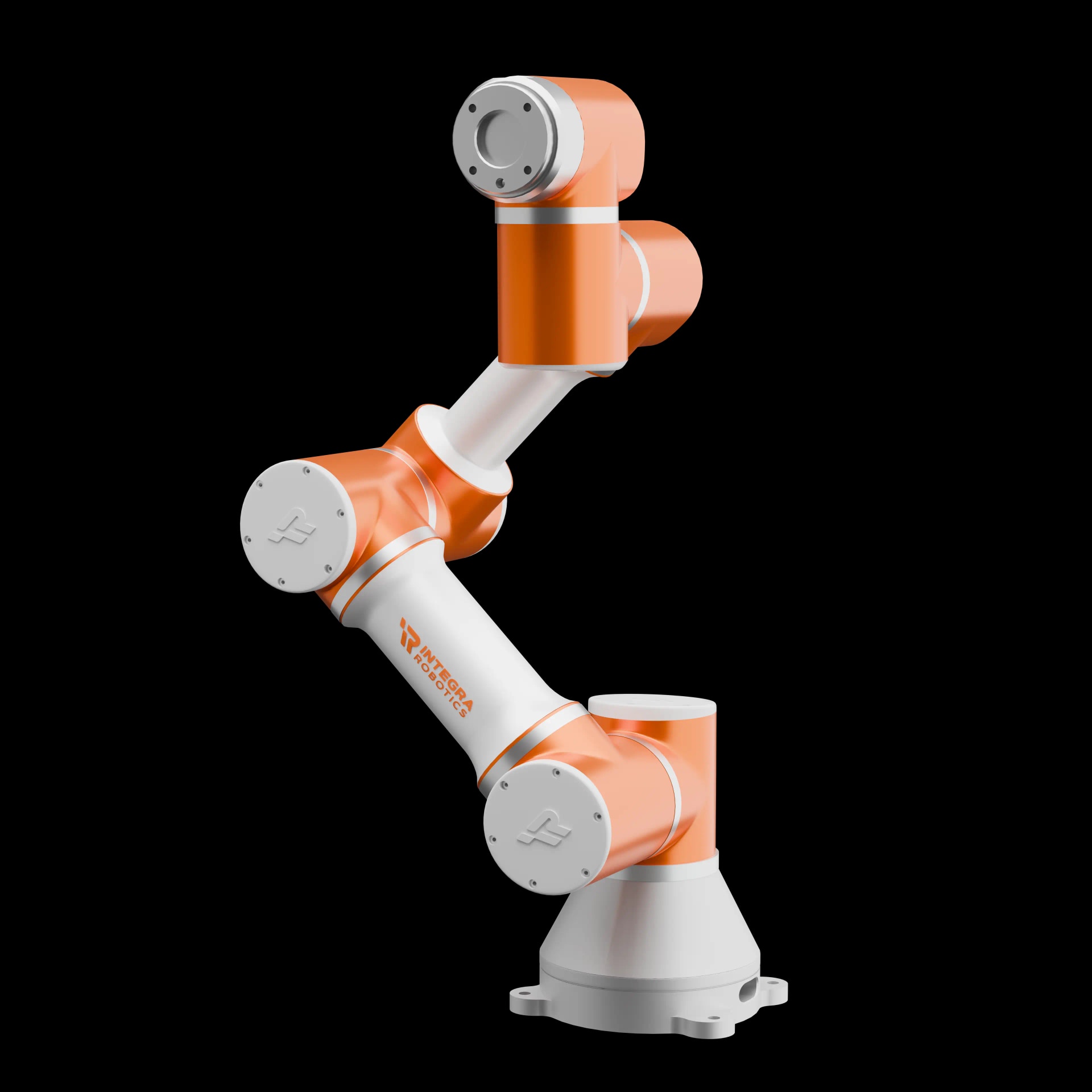
3 kg payload, 600 mm reach. Ideal for bench tops, tight spaces, and safe collaboration.
View specifications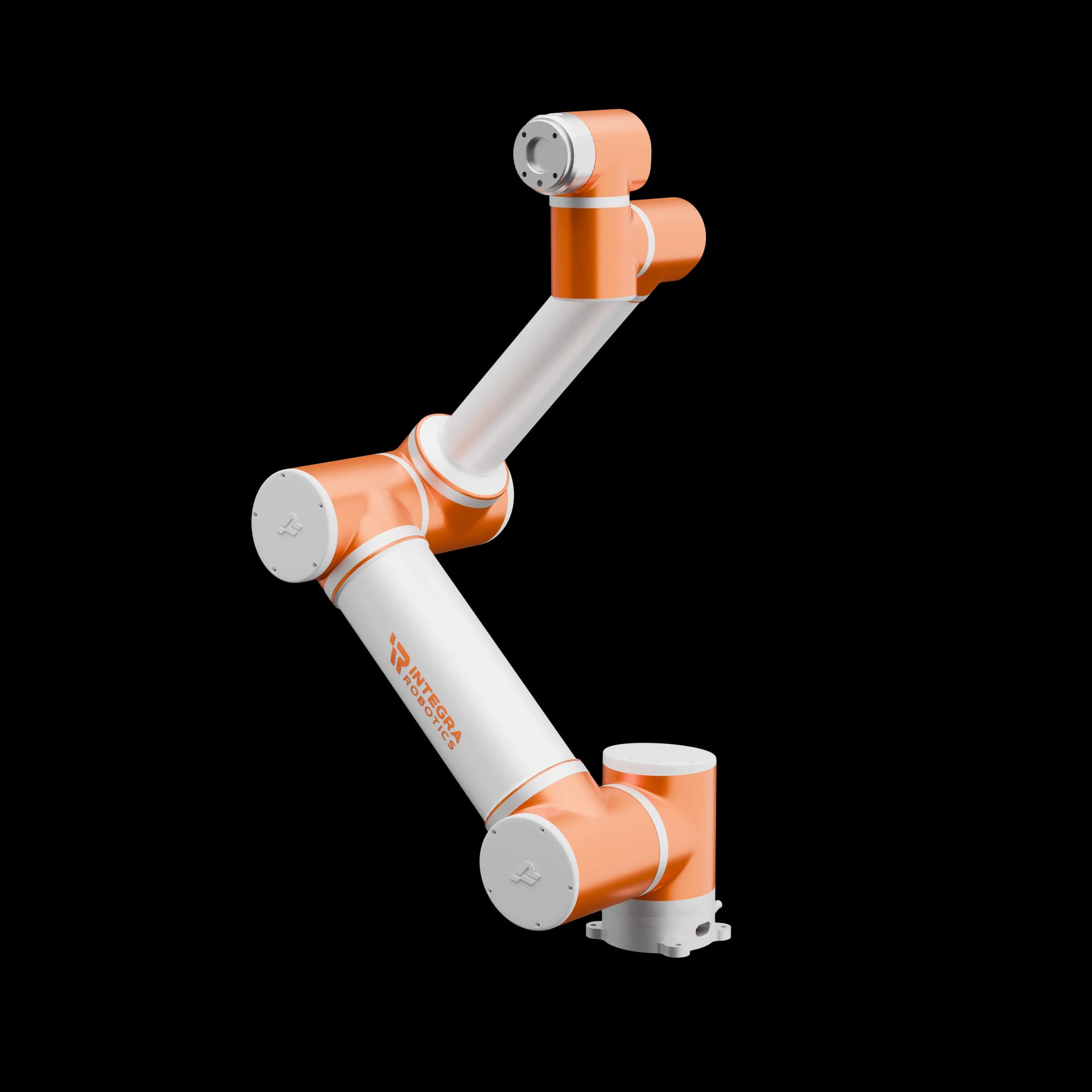
P5-R900
5 kg payload, 900 mm reach, built for medium work envelopes and high‑throughput handling.
View specifications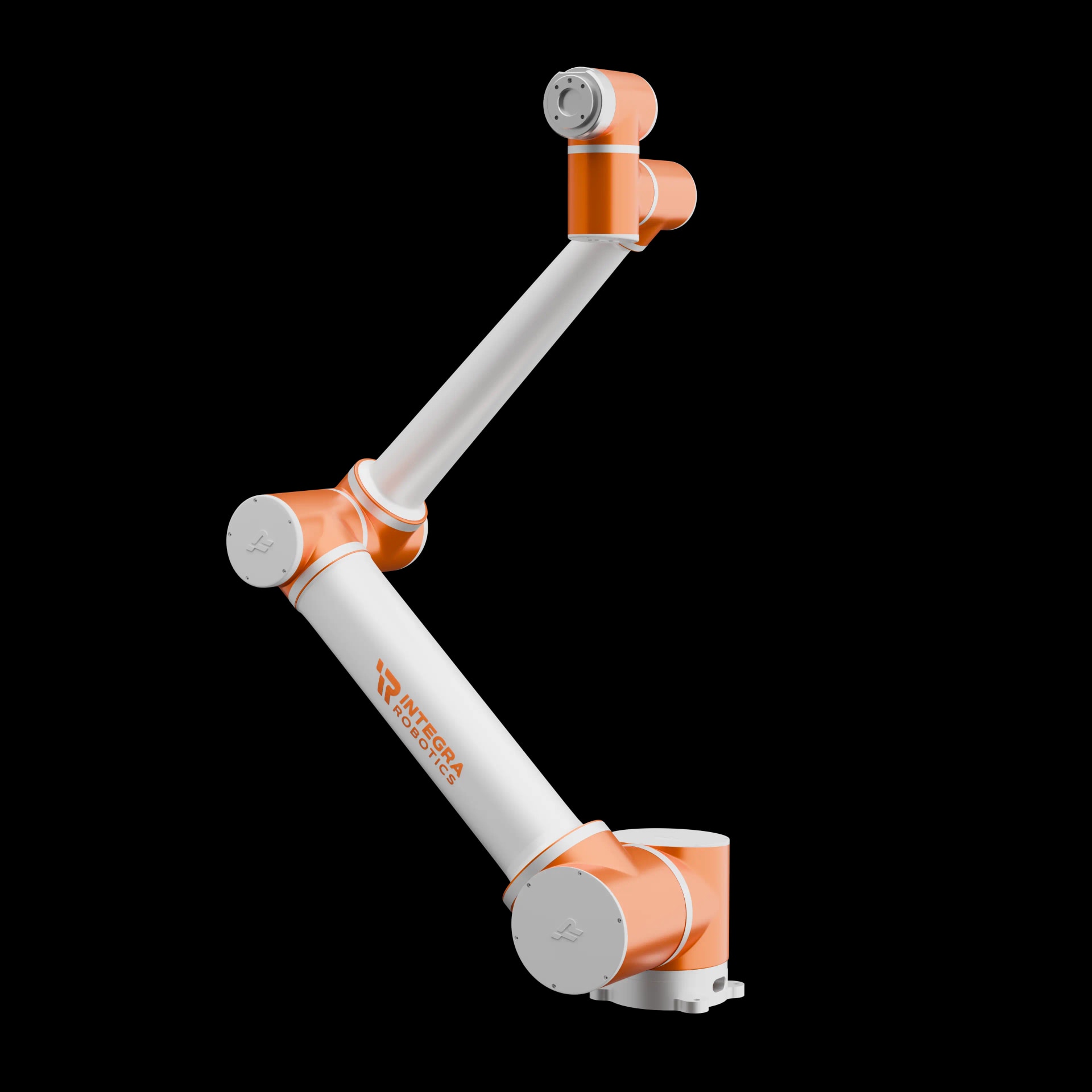
P10-R1300
10 kg payload, 1300 mm reach, ready for heavy handling and expanded work envelopes.
View specifications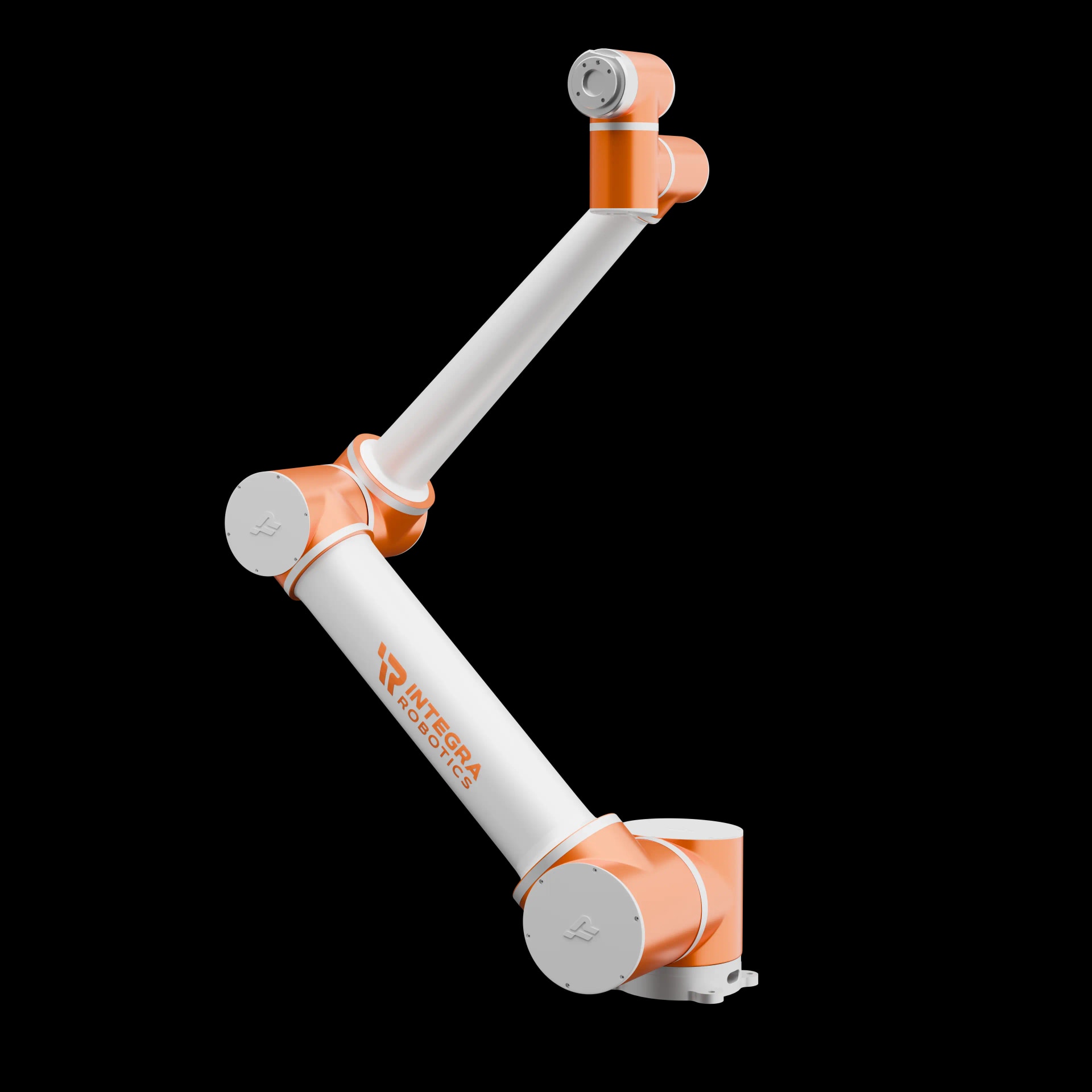
P20-R2000
20 kg payload, 2000 mm reach. Built for heavy picks and long reach placement.
View specificationsGET IN TOUCH
Discuss Your Automation Project
Have questions about this application or want to see if it fits your production line? Speak directly with our robotics engineering team.